
OVERVIEW
The U.S. Department of Agriculture’s (USDA) Agricultural Research Service (ARS) is the agency’s principal research branch working to find solutions to agricultural problems that affect Americans every day—from field to table. The UDSA ARS Grand Forks Human Nutrition Research Center (the Center) researches the impact of diet and nutrition on health, metabolism, and disease prevention. It advances knowledge to shape public health guidelines by relying on scientists and volunteer participants.
USDA’S NEEDS
Grand Forks needed to increase visibility and brand recognition in the Grand Forks community to improve volunteer research participation. Separately, the Center sought to increase the number of qualified candidates applying for jobs at the Grand Forks research center. The Center found that its rural location seemed to deter candidates from applying and a lack of information about the center’s mission and goals diminished efforts to obtain participation in research studies. The Center sought a contractor to improve visibility for research participants and desirability for qualified job candidates.
STRATEGY
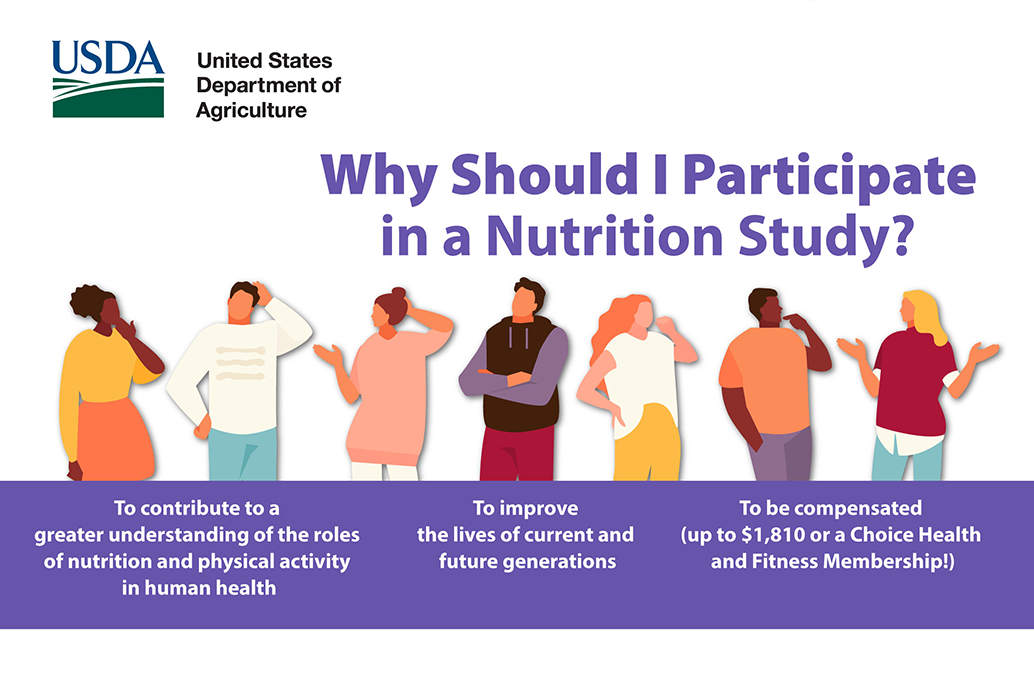
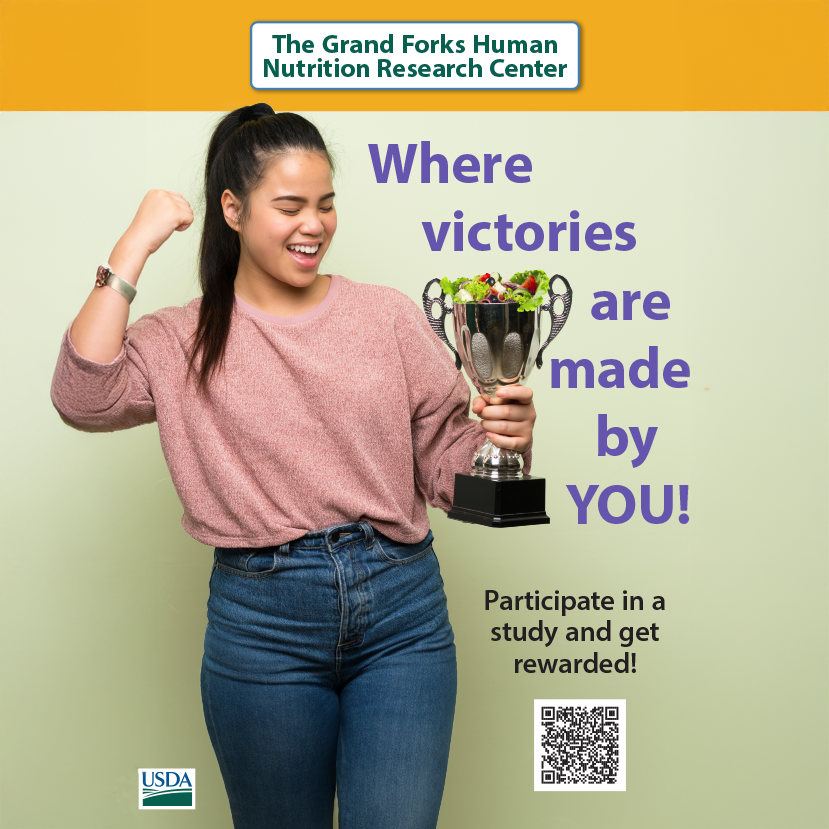
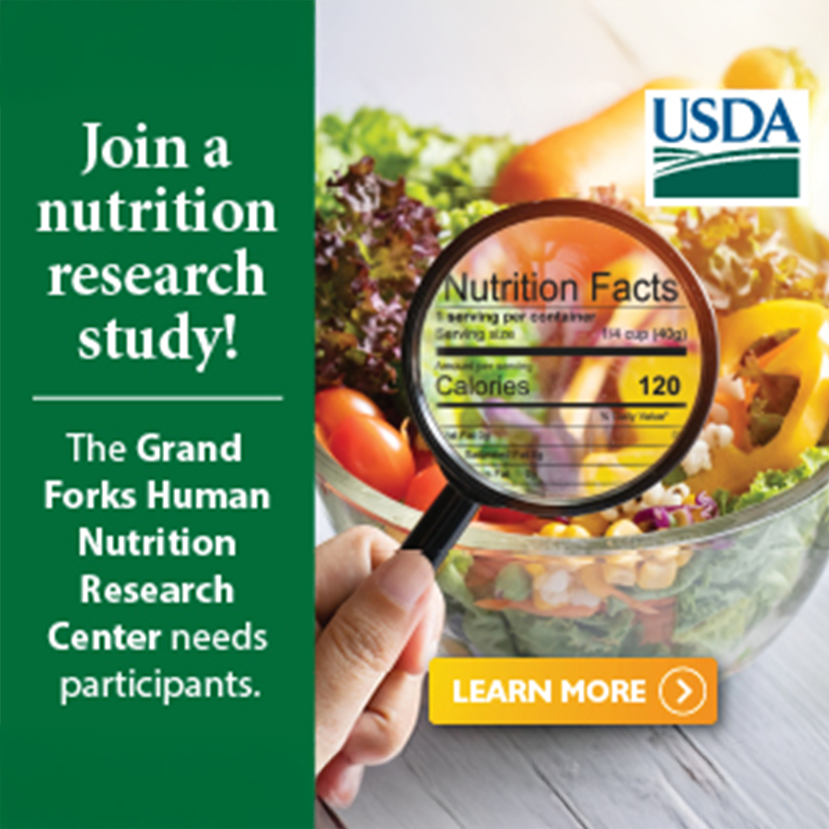
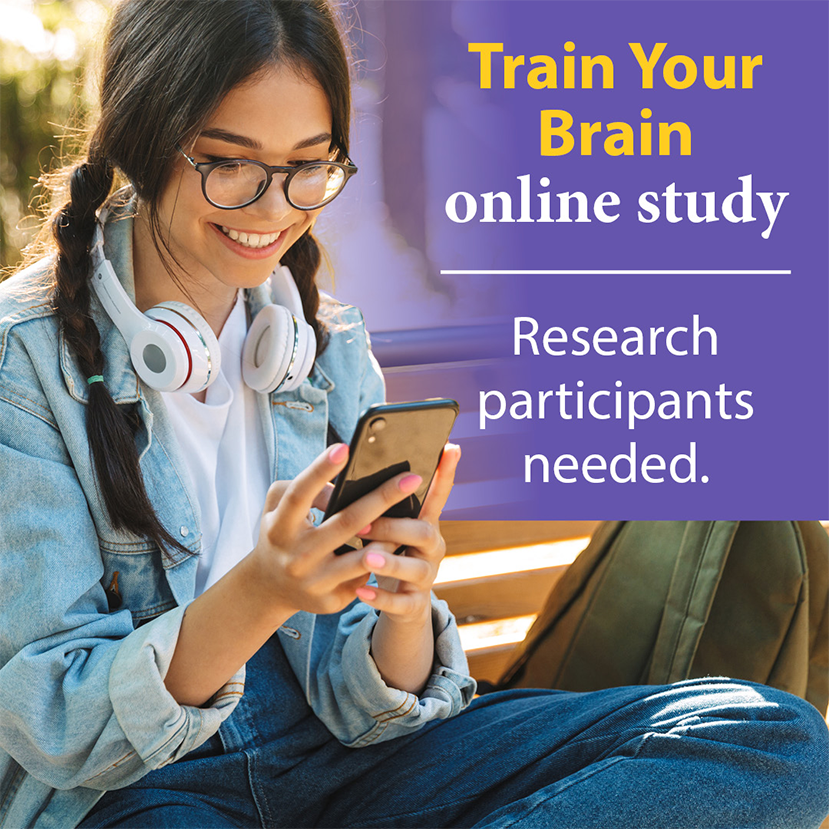
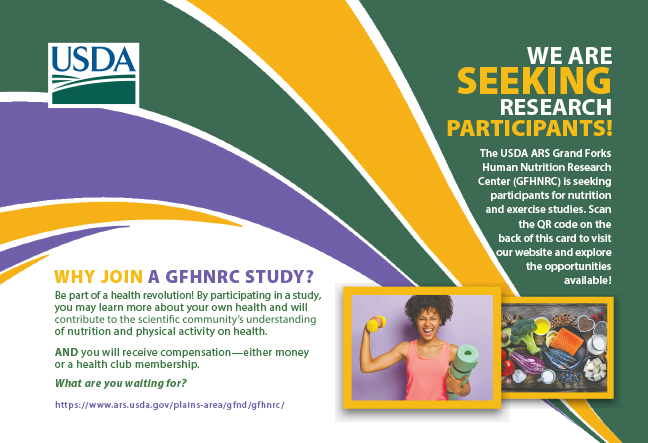
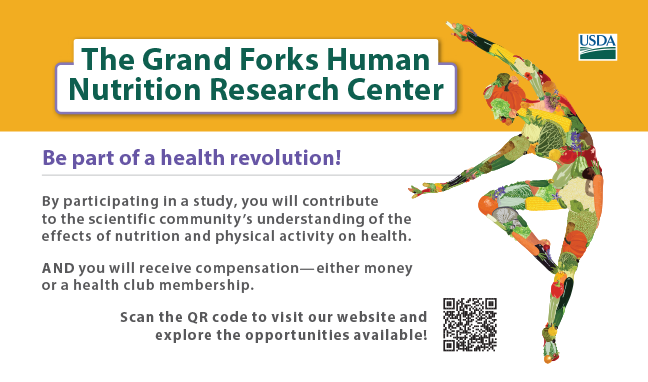
To identify the underlying factors contributing to the Center’s declining participation in research studies, Schatz conducted research to learn both what people appreciated about their experience with the Center, as well as the hesitations and concerns they held about the facility. The research revealed that community members valued social and scientific contributions more favorably than financial incentives as reasons to participate in trials. It also revealed that existing marketing materials were outdated and lacked a modern, engaging look and feel. To address these issues, Schatz crafted messaging that emphasized the health benefits and community impact of the trials. Schatz also completely revamped the branding to include a modern feel and bright images that gave positive connotations about community involvement.
To understand the problems in hiring new staff, Schatz interviewed current employees. This research revealed that while they were job candidates, they often did not know much about the Center, or they were hesitant to relocate to a rural location. To address these concerns, Schatz developed a recruitment campaign designed to build both awareness of the facility and trust in the legitimacy of the center as a research hub and an employer. Materials also highlighted the benefits the Center brings to the local community and how the staff makes a positive difference for the people living there.
Dissemination strategies for both campaigns included targeted outreach to community groups, military families at the nearby Air Force base, university students, and associations catering to STEM and research professionals. Advertising mediums encompassed traditional print, digital, and social media and out-of-home entertainment creative spots.
APPROACH
As the initial step in developing the two campaigns for Grand Forks, Schatz first developed new branding and a communications toolkit for the facility. Schatz also made updates to the Grand Forks website to incorporate the new brand look and feel and created a dedicated social media presence on X focused on participant recruitment and brand-building to attract qualified job candidates. The social media approach revolved around establishing Grand Forks as a thought leader in nutrition and included themed posts and educational did-you-know type facts. Paid social media campaigns bolstered the reach of key posts, especially those about study recruitment and job openings. Trend integration, stakeholder partnerships, and the amplification of posts by USDA helped maximize exposure and relevance.
For job recruitment specifically, Schatz used paid digital ads targeting universities and local organizations, and recruiting tools were developed with key messaging to address concerns about the rural location, and included highlights about the community.
To recruit research participants, Schatz implemented a direct mail campaign, digital and print advertising, and grassroots partnerships with local organizations. This implementation included regional advertising through digital billboards, including stadium jumbotrons, streaming audio ads, and cinema ads during movie previews to maximize visibility in the target communities.
RESULTS
- Through the efforts of the Schatz team, the Center received over 78,000 job ad impressions in 1 month and nearly 400 applicants for an online study in 6 months.
- Digital ads garnered an impressive 96.9 percent completion rate on streaming audio ads, and ads on YouTube outperformed the industry benchmark of 35 percent with a 50.06 percent viewer completion rate.
- The click-through rate for display ads also surpassed the industry benchmark of 0.08 percent, with a 3-percent click-through rate for the programmatic display ads, boasting 254,293 impressions and 753 clicks during a 2-month campaign.

Ready to level-up your
marketing strategy?